Few dates left for September bookings

Sushmit Kishore
Sushmit Kishore
The journey
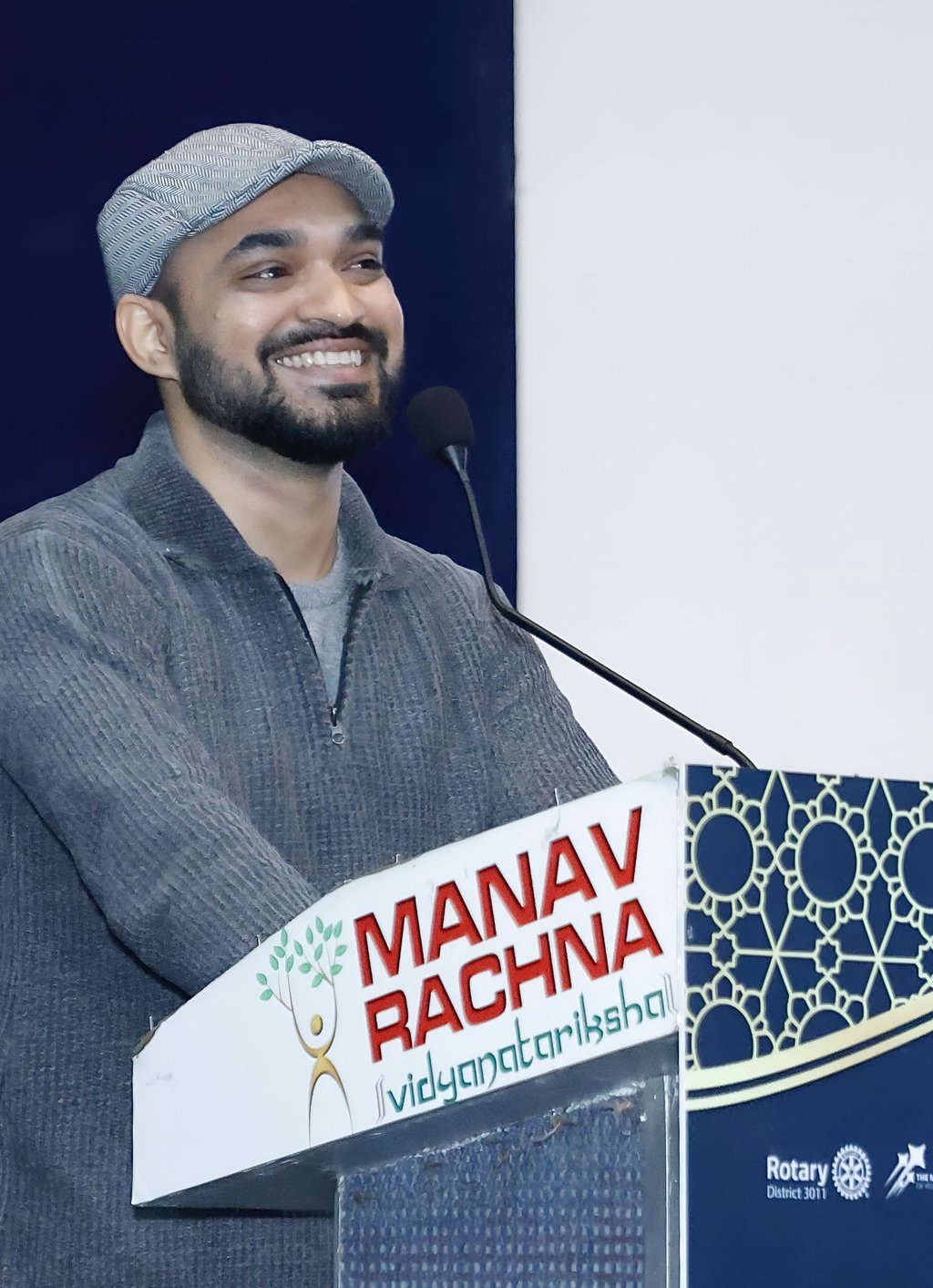
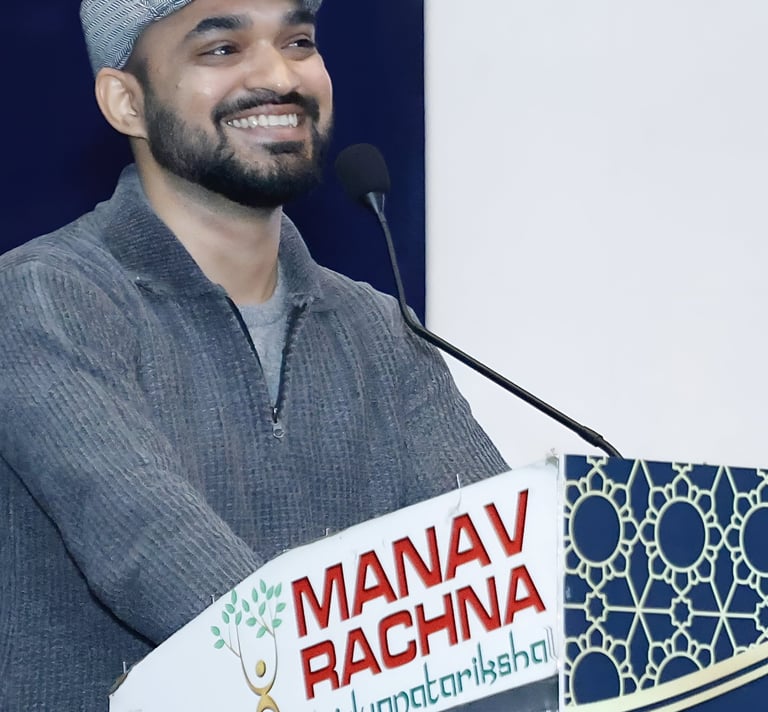
Art has always been an obsession for Sushmit Kishore, but his path was anything but conventional. Born in 1997 and based in New Delhi, India, he pursued a background in law rather than a formal art degree. Traditional artistic norms never defined him. What defined him was an obsession with precision, observation, and the discipline of slow, deliberate work.
While studying law, he was drawn back to drawing not as a departure from one pursuit but as a return to something that had never left. This led him to micro portraiture, an art form that demanded everything he had developed: patience, sustained attention, and complete trust in the process.
For Sushmit, the discipline of observation, patience, and slow craftsmanship has never been a method. It has always been a belief that the value of what is made is inseparable from the integrity of how it is made.
What began as an obsession has remained one. Not because of what it produces, but because of what it demands.
His philosophy
For Sushmit, philosophy and process are never separate. What he believes is visible in how he works.
The core of that belief is simple: real value is created through what you bring to the work, not what you have access to. Ordinary materials, basic tools, no magnification aids. The skill, the mindset, and the authenticity of approach matter more than the resources. This is not a constraint he works around. It is a framework he works from.
Doing more with less is not about limitation. It is about understanding that the quality of attention, the discipline of observation, and the integrity of each decision are what determine the outcome. Waiting for better conditions or better tools is a way of avoiding the work. The belief is that you create with what you have, and you make it exceptional through how you approach it.
This framework shapes everything: how a stroke is placed, how an error is handled, how pressure is managed, how far a piece can be pushed. It is not a philosophy that exists before the work begins. It has been repeatedly tested and confirmed.
© 2026 Sushmit Kishore
Sushmit Kishore
⸻⸻⸻⸻⸻⸻⸻⸻⸻⸻⸻⸻⸻⸻⸻⸻⸻⸻⸻⸻⸻⸻⸻⸻⸻⸻⸻⸻⸻⸻⸻⸻⸻⸻
About
_______________________________________________________________________________________________________________________________________________________________________________________________________________________________
___________________________________________________________
Micro Portraits
Support
© 2026 Sushmit Kishore
_______________________________________________________________________________________________________________________________________________________________________________________________________________________________